
More than curb appeal
What Happens When Siding Stops Doing Its Job?
Your siding helps shed rain, but it works with flashing, a water-resistive barrier, and drainage behind it. When these layers are damaged or poorly detailed, moisture can reach materials inside the wall.
Discuss My Siding Concerns →A Small Warning Can Point to a Bigger Problem.
Repeated wetting can lead to wood decay, swollen sheathing, and mold on damp materials. A small visible defect may be only part of the problem. Addressing the source early can help keep the repair scope from growing.

Why waiting can cost more
The Risks Behind a Damaged Exterior
Wood Rot & Hidden Damage
Wood that stays damp can decay, weakening sheathing, trim, and framing. What starts around a joint or opening can require more extensive repairs if the moisture source continues.
Mold & Persistent Moisture
Damp building materials can support mold growth. Replacing siding alone will not resolve every mold problem: the water source and affected materials must also be addressed.
A Growing Repair Scope
Ongoing water entry can affect more than the outer boards. Repairs may extend to the wall beneath, insulation, and interior finishes. Investigating warning signs helps you plan before more damage develops.


Know the warning signs
When Is It Time to Take a Closer Look?
- Cracked, loose, missing, or warped siding
- Soft, crumbling, or swollen boards and trim
- Recurring peeling paint, staining, or open joints
- Water marks inside near exterior walls or openings
- Persistent musty odors or visible growth that needs investigation
These signs deserve attention, but they do not all mean you need a full replacement. A review of the condition and moisture source helps determine whether targeted repairs or re-siding makes sense.
Don’t Just Cover the Problem.
Fresh paint or new siding over damaged material can leave the underlying issue unresolved. A replacement plan should account for water entry, the condition of the wall beneath, and repairs needed before the new exterior goes on.
Get a FREE Siding EstimateHow re-siding helps
Renew the Protection Behind the Finished Look
A well-planned re-siding project combines the right materials with the details that manage water. Discuss each of these steps with RusevBuilders as part of your estimate.
Identify the Concerns
Review visible damage, recurring leaks, and areas that may need further investigation.
Address What’s Beneath
Plan for evaluating exposed sheathing and framing, and agree on how any concealed damage will be handled.
Manage Water
Review flashing, the water-resistive barrier, drainage, and clearances appropriate to your wall and siding system.
Install & Maintain
Choose siding and trim with proper installation details, then follow the product’s care requirements.
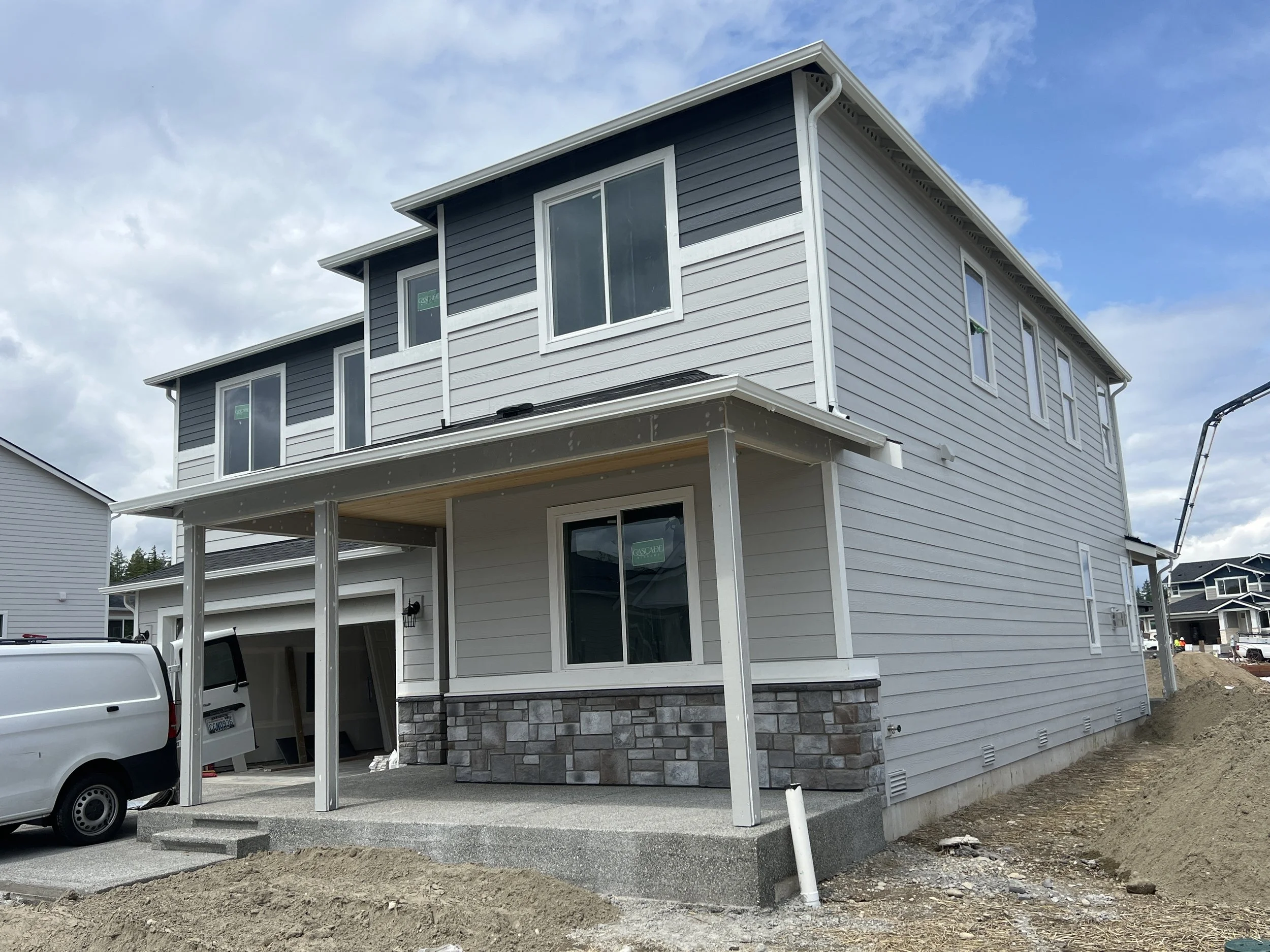
Protection with a fresh look
Make Your Next Exterior Built Around Your Home
Re-siding gives you a chance to address worn materials while updating the profiles, trim, and colors that define your home. Ask about James Hardie siding options and the installation details suited to your project.
Your written estimate should identify the selected products, included work, and how additional repairs will be reviewed if concealed damage is found.
Plan My Siding Replacement →
★★★★★
See What a Customer Had to Say
“From the stunning new siding to the beautifully crafted back porch, their work exceeded every expectation. The craftsmanship was exceptional, and everything was completed with impressive speed and professionalism.”
William McGuire
Read All Customer Reviews →Common questions
Understand the Risks. Choose the Right Next Step.
Does old siding always need to be replaced?
No. Age or fading alone does not determine whether siding has failed. Localized damage may be repairable. Widespread deterioration, recurring water problems, or failing materials may make replacement the better approach.
Will new siding fix rot or mold?
New siding is only part of the solution. The moisture source must be corrected and damaged materials addressed. Mold may require qualified remediation; it should not simply be covered with new material.
What about “dry rot”?
The term is often used for decayed wood, but fungal wood decay depends on moisture. Finding and correcting the conditions that keep wood damp is essential alongside any necessary replacement.
Can you tell how much damage there is from a photo?
Photos help start the conversation, but the full extent of concealed damage may only become clear during an on-site assessment or after siding is removed. Ask how discoveries and changes to the scope will be documented.
Can I include siding in the complete Exterior Package?
Yes. Our Exterior Package combines siding, painting, roofing, and gutters with 15% package savings. Explore the complete package →
Learn more: Building America guidance on siding and moisture management · EPA: Mold and Your Home.
Address the Warning Signs Before the Damage Grows.
Tell RusevBuilders what you’re seeing. Share your location, photos, and any history of leaks so we can discuss the next steps and prepare a siding estimate for your home.
Request My FREE Siding Estimate →Call or text (253) 304-9800 · RusevBuliders@outlook.com
Photo credits
Damage photos are illustrative examples, not RusevBuilders projects.
Weathered wood shingles: Herzi Pinki · CC BY-SA 3.0 · Unmodified.

Exposed cabin framing: National Park Service · Public domain.
.jpg)
Interior moisture damage: SeppVei · Public domain.
